Live Football Betting: Real-Time Markets and In-Play Dynamics Across Global Leagues
Mia Berger · Aug 19, 2026
Live Football Betting: Real-Time Markets and In-Play Dynamics Across Global Leagues
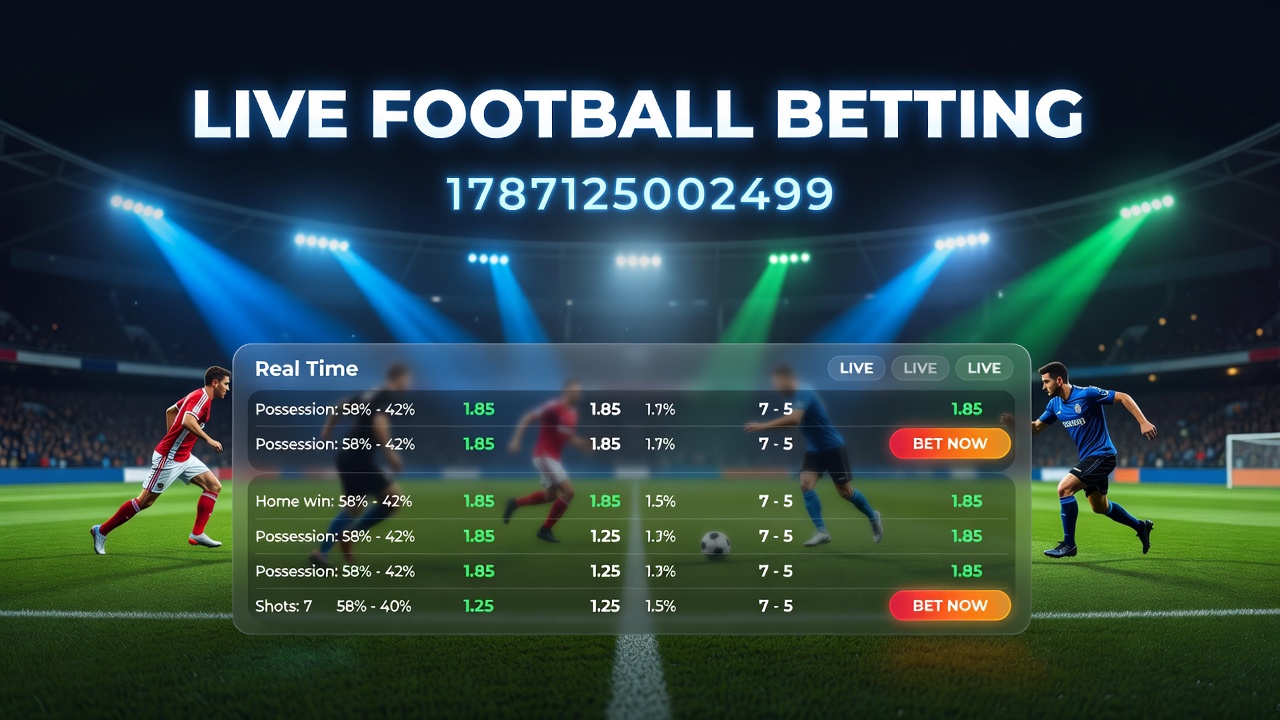
Live football betting operates through continuous odds adjustments that reflect events unfolding on the pitch, and this process relies on data feeds delivered within seconds of each action. Bookmakers integrate inputs from multiple sources including player positions, ball tracking systems, and official match officials to recalculate probabilities instantly. Markets such as next goal scorer, total corners, and booking points remain available throughout the ninety minutes plus added time, while pre-match lines often close or shift dramatically once play begins.
Core Mechanics of In-Play Wagering
Operators update prices based on algorithms that process live statistics, and these changes occur after goals, substitutions, red cards, or even missed chances that alter expected outcomes. Bettors access these markets through mobile applications or desktop platforms that display both the current scoreline and revised odds side by side. The speed of information transmission determines how quickly prices move, with top-tier leagues benefiting from faster data streams than lower divisions where coverage gaps can create brief pricing inefficiencies.
Technology providers supply the raw data that powers these adjustments, and several companies have expanded their partnerships with leagues ahead of the 2026/27 season that begins in August 2026. Enhanced camera systems and wearable sensors on players now feed additional metrics such as sprint distances and pressing intensity into the models, allowing more granular market creation during matches.
Popular Markets and Their Evolution
Common in-play selections include over or under on total goals, Asian handicaps that rebalance after the first goal, and player performance props tied to minutes played or shots attempted. Accumulators built from live selections combine multiple matches into single tickets, and cash-out features permit partial or full settlement before all legs conclude. These options gained wider availability as mobile bandwidth improved across Europe, North America, and parts of Asia during recent seasons.
Research from the Australian Gambling Research Centre indicates that in-play turnover now accounts for a growing share of total sports wagering volume in regulated markets. Observers note that volatility tends to peak during set-piece sequences and late-game periods when fatigue influences decision-making on the field. One study tracking English Championship fixtures found that goal-scoring rates increase measurably after the seventy-fifth minute in matches where one side trails by a single goal.
Technology Infrastructure and Data Delivery
Live streaming services run in parallel with betting interfaces, and many platforms embed video alongside the odds grid so users can monitor developments without switching applications. Latency reductions achieved through edge computing have shortened the gap between on-pitch events and odds updates, although brief delays still appear during high-traffic periods such as goal celebrations. Artificial intelligence models assist traders by flagging anomalous patterns that might indicate data errors or unusual match conditions.
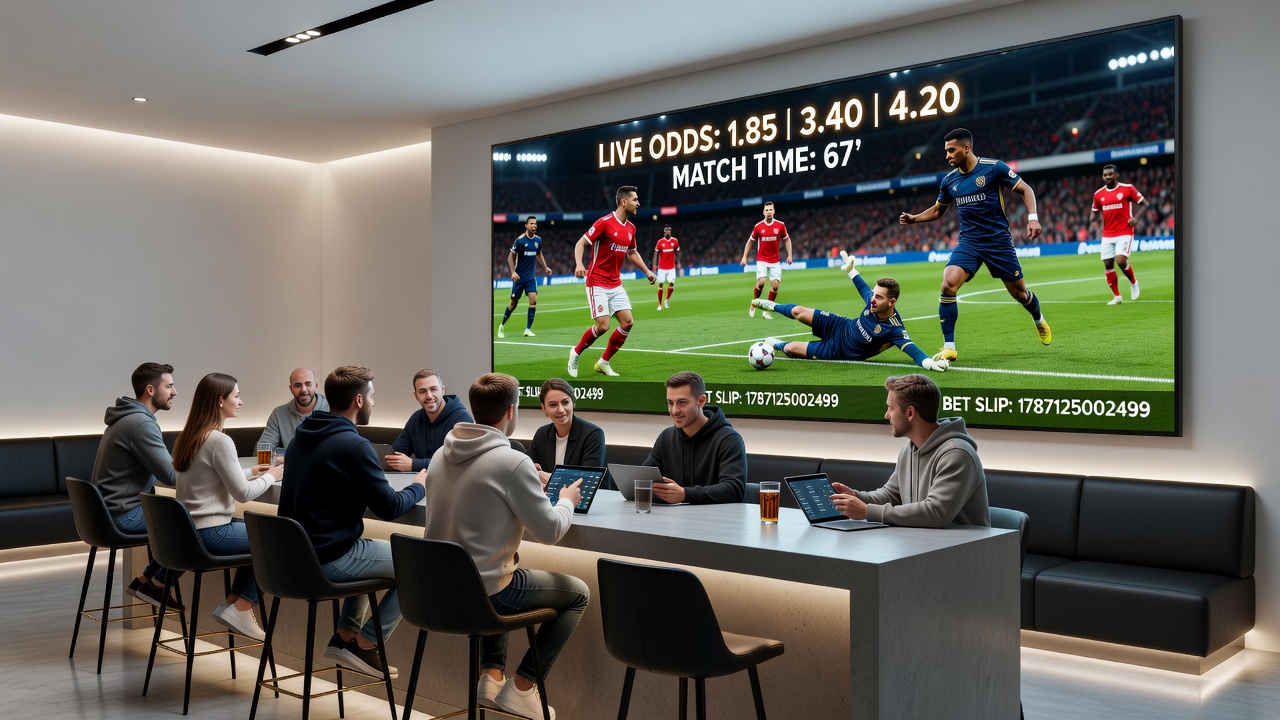
August 2026 marks the introduction of updated broadcast standards in several major competitions, and these changes will supply additional camera angles that operators can incorporate into their risk management tools. Data from the Canadian Gaming Association shows steady growth in mobile in-play activity across North American sportsbooks that offer soccer alongside domestic leagues.
Regulatory Frameworks in Different Regions
European jurisdictions maintain licensing requirements that mandate responsible gambling tools such as deposit limits and session reminders within live betting products. Australian state regulators require operators to display real-time warnings when account balances drop rapidly during in-play sessions. Canadian provincial frameworks emphasize age verification and self-exclusion registers that apply equally to pre-match and live markets.
Industry reports compiled by the European Gaming and Betting Association track participation trends across member states, and these documents reveal consistent demand for in-play options during peak fixture periods. European Gaming and Betting Association publications provide aggregated statistics that exclude any single national authority. Separate analyses from academic sources in Australia examine how live betting interfaces influence session duration compared with traditional pre-match wagering.
Seasonal Patterns and Match-Specific Factors
Fixtures scheduled in August 2026 will feature newly promoted sides whose playing styles remain less documented, creating periods where live markets may adjust more slowly after early goals. Midweek cup ties often produce higher card counts and therefore more movement in booking markets. Weather conditions, pitch wear, and travel schedules also feed into pre-match models that traders refine once play starts.
Substitutions frequently trigger market recalibrations because fresh players alter expected goal rates and set-piece execution. Observers have documented sharper price swings following tactical changes in high-stakes matches where managers chase results in the closing stages.
Conclusion
Live football betting continues to expand alongside improvements in data transmission and regulatory oversight across multiple continents. Markets respond directly to on-field events through automated and human-supervised systems that balance risk in real time. August 2026 will bring new fixtures and technological upgrades that further integrate live statistics into both wagering platforms and broadcast experiences. Participation patterns documented by regional gaming associations demonstrate sustained interest in these products when operators maintain required safeguards and transparent pricing mechanisms.